Two generations ago, heart rate monitors were clunky devices found only in hospitals and sport science labs. A generation ago, power meters were for WorldTour pros and a few weekend warriors with plenty of extra cash to burn. Until about a decade ago, a bike-mounted rear-facing radar that gave you early warning to traffic approaching from behind was science fiction.
Sure, riding L’Eroica—on a steel bike with downtube friction shifters, wearing wood and wool—may be a fun experience. But have you ever wondered if you could be safer on your daily jaunt?
Ignoring technological advancements in cycling might bolster your bank account, but given the current state of cycling tech, are you doing yourself a disservice?

Radars

(Image credit: Paul Brett)
When I’m doing a very short commute to the gym on my city commuter, I’ll leave my Garmin radar at home. But even if I’m out for a short, leisurely coffee ride, I’d feel naked without it. Although a radar cannot affect traffic approaching from the rear, it gives me ample warning about vehicle proximity and closing speed. The latest generation of radar can discern a motor from an 18-wheeled flatbed, too, with enough early warning to allow for evasive action if needed.
Of course, you don’t need all this info to have fun on a bike. You can simply put your head unit in your jersey pocket and listen for the audible radar alerts. Given the life-saving potential of this device, why more people don’t have them is beyond me.
Bike Computers as Dashboards

(Image credit: Simon Smythe)
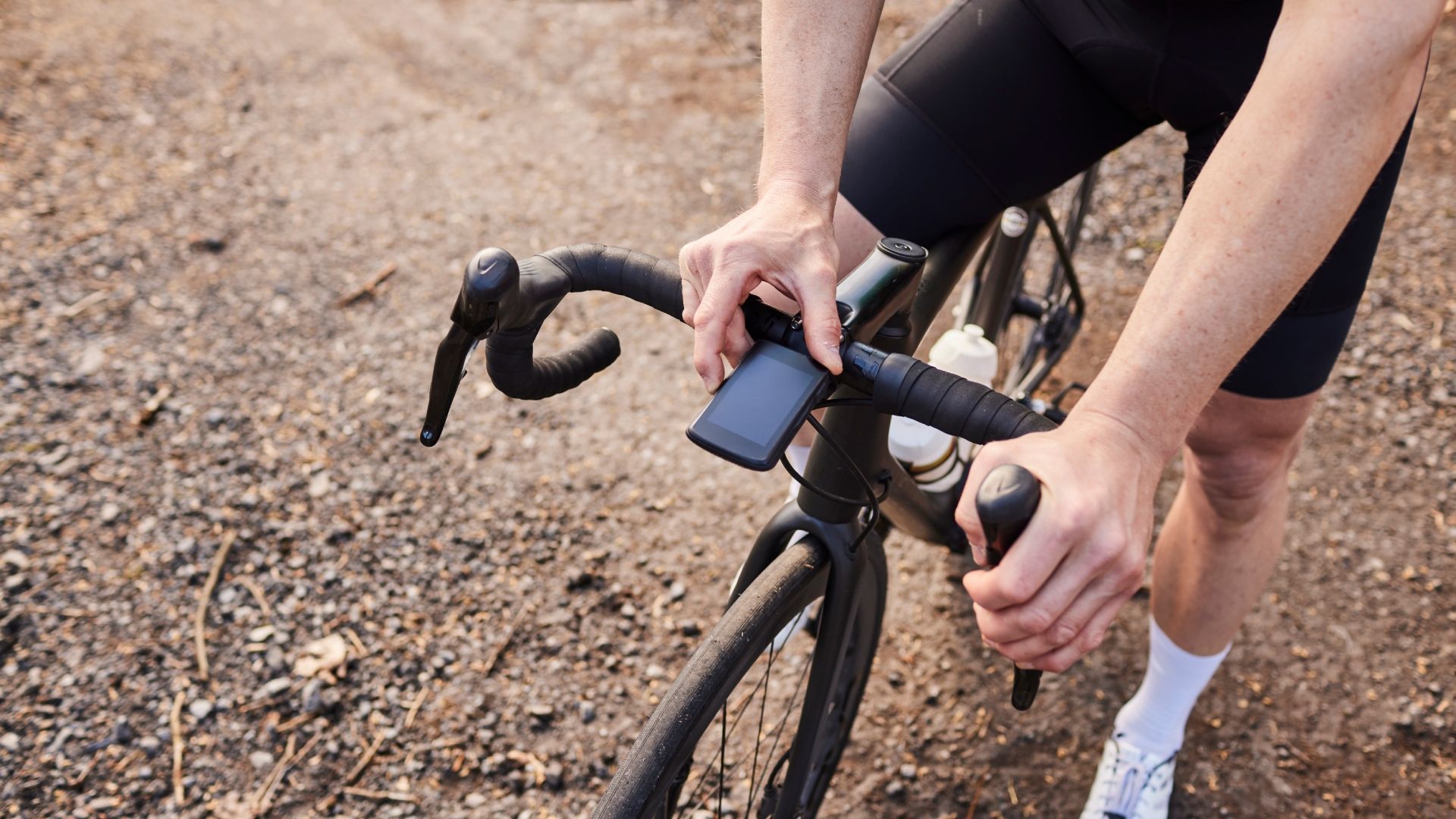
Bike computers used to be small and awkward contraptions requiring wires wrapped around brake cables or zip-tied to downtubes. Wheel and crankset magnets never seemed to stay in place. And forget getting speed/distance data if you needed a neutral spare wheel in a race.
Current head units from Hammerhead, Garmin, and Wahoo sit at the centre of electronics ecosystems that provide more data processing power to crunch ride info than was available for the entire U.S. space program from start through the lunar landing.
Even if you don’t need or want to know your effort, basic bike computers act as a display to alert you to hazards approaching when paired with a radar.
Mapping and Navigation

(Image credit: Anne-Marije Rook)
When riding on strange new roads, using a printed cue sheet is low-tech and functional. But to be safe, you’ll need to pull off to the side of the road to use it. And hope it’s a rain-free day.
Of course, you can use your phone’s map, but what if you ride where mobile service is spotty? And if you’re using your phone in lieu of a bike computer, you’re putting it at risk of violent ejection at worst, and a drained battery at best.
Route mapping and turn-by-turn navigation available in even modestly-priced bike computers may not be indispensable, but for those who find thrill in exploring new roads, these features can help get you home safely, with relatively few worries.
Wearable Tech

(Image credit: Whoop)
Do you ignore the check engine light when it comes on in your car?
Accurate wrist-worn heart rate monitors have been available to consumers since the early 1990s. Today’s generation of wearables are more powerful than many bike computers since they offer 24/7 monitoring.
And wearing sport watches or recovery monitors allows for basic biohacking (like when to take more rest, or have one less post-ride pint) backed by data that takes the guesswork out of when and how much to rest.
You don’t need this info to enjoy your ride, either—but it can inform you on how to make your riding more enjoyable when not as tired or fatigued.
Power Meters

(Image credit: Andy Jones)
Around the same time when heart rate monitors became ubiquitous for athletes, wired SRM power meters were seen on a few pros’ bikes. At the time, they cost more than a set of top-tier race wheels, (but also ensured a bike would be over the UCI minimum weight). Downside: they had to be returned to the factory for a battery swap, and could be fickle when used in rapidly changing outdoor conditions.
The latest generation of power meters can be had for the cost of a few sets of tubeless tyres. This democratising tech can help with pacing race-winning moves or confidently completing an epic randonneur.
When matching watts with heart rate data and recovery metrics, and comparing against terrain and environmental factors, you’ll have your own human performance lab at home. If you race and you’re not doing this, your competition will thank you.
Indoor cycling tech

(Image credit: Future)
Even for those who are fortunate enough to live in climates where one can ride year-round, there are always circumstances where cycling indoors means not missing a ride due to weather, daylight, safety, or obligations.
Tools like Zwift, MyWhoosh, and TrainerRoad mean you don’t have to skip saddle time. Why is this so crucial? If you race or have a big ride on your calendar, maintaining consistency is massively important for being successful. If you Zwift, you already know this. If you swore off riding inside, maybe you just don’t know what you’re missing?
Drivetrains

(Image credit: Anne-Marije Rook)
Electronic shifting isn’t a must-have, and ignoring it isn’t perilous.
But the big three component manufacturers are heavily leaning into battery-driven shifting, and many new bikes will be electronic-only going forward.
Should you start stockpiling shift cables now?
Tubless tyres

(Image credit: Greg Kaplan)
Much like the polarising disc brake debate of the late twenty-teens, tyre- and wheel systems are kindling for heated discussion.
Those not already in the tubeless tyres camp claim they know what they’re missing. But it’s a lot easier to carry a handful of plugs than more than two spare tubes. Like disc brakes and electronic shifting, most major bike manufacturers are shipping bikes with tubeless-ready wheels and tyres.

