One of college football‘s biggest sagas in recent memory came to an end this week, but it remains a major topic across the sports world. Texas Tech and Brendan Sorsby mutually agreed to part ways, clearing the path for Sorsby to enter the NFL. The news came as a massive relief throughout college football. Otherwise, a Big 12-Texas Tech civil war appeared to be brewing.
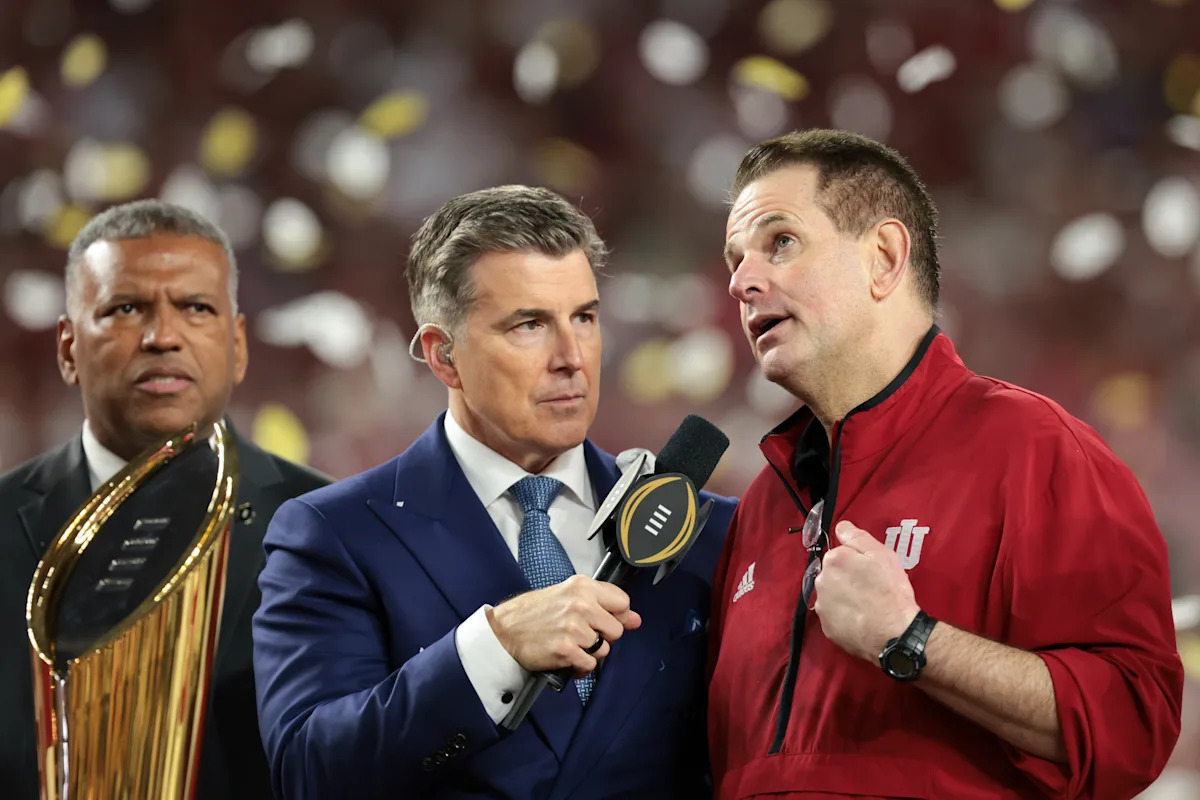
One prominent voice in the sport echoed what much of the college football world was thinking about how the situation concluded. Fans and media members alike found themselves agreeing with Indiana head coach Curt Cignetti. During an appearance on The Rich Eisen Show, Cignetti discussed the Sorsby-Texas Tech controversy.
Advertisement
Although Sorsby ultimately will not continue his college career—as many believe he shouldn’t—Cignetti knows the larger issues remain unresolved.
MORE: Cincinnati fires back on accusation over Brendan Sorsby gambling
“I do think we’re at a tipping point,” Cignetti said.
That tipping point centers on the increasingly blurred line between NCAA authority and the willingness of courts to challenge or override its rules and bylaws.
Drawing to line?
There are plenty of valid criticisms of the NCAA. However, its handling of the Sorsby case is not one of them. It took the involvement of three state attorneys general, the Big 12, and a federal court complaint before Texas Tech and Sorsby finally backed down. If anything, Cignetti believes the outcome benefited college football.
Advertisement
“I think some of the things that have happened in the last couple days were a real plus for college football. We need to move forward in a positive direction,” Curt Cignetti said.
MORE: Protect College Sports Act progresses into U.S. Congress
Where does that positive direction lead college football?

Action being taken
At the moment, the United States Congress is evaluating the Protect College Sports Act in an effort to bring order to the sport’s growing chaos. In 2021, student-athletes gained the ability to profit from their Name, Image, and Likeness (NIL). Combined with an increasingly active transfer portal, college athletics quickly evolved into what many view as a pay-for-play marketplace.
Advertisement
Several coaches have voiced concerns about the spending levels associated with NIL deals, with some programs reportedly stretching or exceeding collective budgets. At the same time, athletes are delaying their departures for the professional ranks to maximize earning opportunities. In sports like football, elite prospects who once left after three seasons are now often staying for five.
That trend provides some continuity for college football, but it also creates new challenges. Critics argue it has fueled instability and eroded the integrity of the game. Sorsby became a prime example, choosing to remain in college and pursue a reported $5 million NIL deal despite concerns surrounding his decision to gamble on his own team.
While this controversy ended without impacting the 2026 season on the field, the bigger question remains: What will it take to bring the chaos under control?

